


GET MORE INFORMATION
What to Bring and What to Check During a Final Walkthrough Before Closing on a Muskoka Home or Cottage
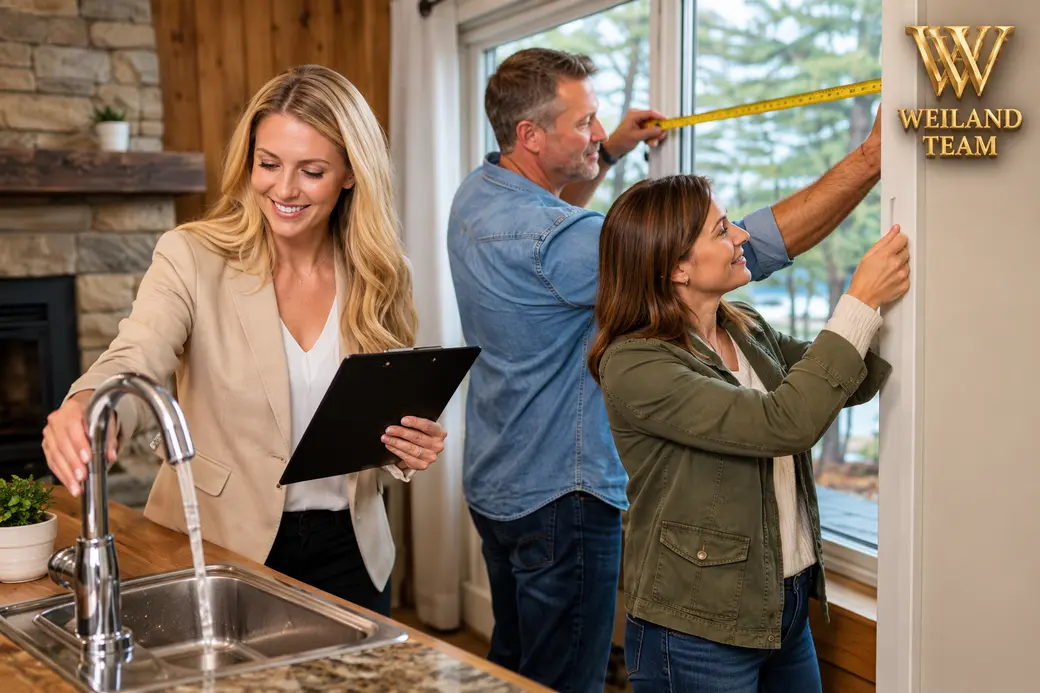
What to Check During a Final Walkthrough Before Closing on a Muskoka Home or Cottage
You have completed your due diligence, satisfied your conditions, arranged financing and insurance, and closing day is approaching. There is usually one more important opportunity before taking possession of your Muskoka home or cottage: the final walkthrough.
A final walkthrough is not another home inspection and it is not an opportunity to renegotiate the purchase simply because you notice something you did not focus on earlier. Its purpose is generally to confirm that the property is in substantially the condition you expect based on your Agreement of Purchase and Sale and that items that were supposed to remain with the property are still there.
In Muskoka, a final walkthrough can be particularly valuable because waterfront properties often include much more than the main residence. There may be docks, boathouses, bunkies, sheds, pumps, water systems, generators, outdoor furniture, boats or waterfront equipment, and the property may have been vacant for periods of time between the offer and closing.
Knowing what to look for can help make your final visit more organized and your transition into cottage ownership much smoother.
What Is a Final Walkthrough?
A final walkthrough is typically a visit to the property shortly before closing when permitted by the Agreement of Purchase and Sale.
The specific rights of a buyer depend on the wording of the agreement. Your Realtor and lawyer can help you understand what your agreement provides.
The walkthrough is generally an opportunity to confirm things such as:
- The property remains in substantially the expected condition.
- There has not been obvious new damage since you purchased it.
- Items included in the agreement appear to remain at the property.
- Items specifically excluded have been handled according to the agreement.
- Agreed-upon work or repairs appear to have been completed where applicable.
- The property has not been left with unexpected contents or debris.
Start With Your Agreement of Purchase and Sale
Before the walkthrough, review the Agreement of Purchase and Sale and any schedules or amendments.
This is especially important when purchasing a cottage because the list of inclusions and exclusions can be extensive.
Depending on the transaction, the agreement may address items such as:
- Appliances
- Window coverings
- Light fixtures
- Furniture
- Dock sections
- Waterfront furniture
- Boat lifts
- Generators
- Bubblers or de-icers
- Storage sheds and their contents
- Tools and maintenance equipment
- Water pumps and filtration equipment
- Boathouse contents
- Specific boats or recreational equipment
Do not rely entirely on memory. Cottage transactions can involve numerous conversations and negotiations, and the written agreement ultimately matters.
What Should You Bring to the Final Walkthrough?
You do not need a suitcase full of equipment, but a few things can make the walkthrough easier.
Consider having:
- A copy of your Agreement of Purchase and Sale and relevant schedules
- Your phone for photographs, notes and a flashlight
- A list of agreed inclusions and exclusions
- A list of any repairs or work the seller agreed to complete
- Notes from your home inspection if there are particular areas you need to revisit
- A simple checklist so that important areas are not forgotten
If the property is large or includes several accessory buildings, having an organized list can be particularly helpful.
Walk Through the Main Home or Cottage
Take your time and move through the property systematically.
Look at the general condition of each room and watch for obvious changes or damage that appears to have occurred since your previous visit.
Depending on the circumstances and what is accessible and appropriate, you may want to observe or check:
- Walls, ceilings and floors for obvious new damage
- Windows and exterior doors
- Plumbing fixtures
- Visible signs of water leakage
- Appliances included in the purchase
- Heating or cooling equipment where appropriate
- Lighting and electrical fixtures
- Basement or crawl-space areas that are safely accessible
The objective is not to perform another professional inspection. It is to notice whether something has materially changed or is obviously not as expected.
Pay Particular Attention to Water
Water can cause significant damage very quickly, particularly when a cottage has been vacant.
Look for obvious signs of a new leak or water intrusion around plumbing fixtures, ceilings, basements, crawl spaces and mechanical areas where safely accessible.
This becomes particularly important during freezing weather, spring runoff or periods of heavy rain.
If you see something concerning, photograph it and contact your Realtor promptly rather than attempting to diagnose the problem yourself.
Confirm the Water System
Muskoka properties may be serviced by a drilled well, dug well or lake-water system, and some seasonal cottages may have systems that require winterization.
Before closing, it is helpful to understand:
- Where the main water shutoff is located
- Where pumps and pressure tanks are located
- Whether there is a UV treatment system
- Whether filters require replacement
- Whether there is a water softener or other treatment equipment
- How the system is winterized if the property is seasonal
- Whether the system will be operating on possession
If your purchase agreement contains specific requirements relating to the water system, review those requirements before the walkthrough.
Understand the Septic System Before Closing
The final walkthrough is not a substitute for septic due diligence, which should normally have occurred earlier in the transaction when appropriate.
However, by the time you take possession, you should know where the septic tank and leaching bed are located if that information is available and understand any maintenance information that has been provided.
Keep septic records, permits, pumping information and inspection reports with your property documents. These can be extremely useful during your ownership and when you eventually sell.
Check the Dock and Waterfront
One of the biggest differences between a conventional residential walkthrough and a Muskoka waterfront walkthrough is that your property does not stop at the cottage door.
Walk down to the waterfront and look at the dock and boathouse when conditions allow you to do so safely.
Confirm that waterfront items specifically included in your agreement appear to be present.
Depending on the property and season, this could include:
- Dock sections
- Boat lifts
- Dock furniture
- Swim ladders
- Bubblers or de-icing equipment
- Boathouse equipment
- Water pumps
- Specific recreational equipment
If the waterfront is inaccessible because of snow, ice or unsafe conditions, do not put yourself at risk simply to complete a checklist.
Look Through the Boathouse, Bunkie and Other Buildings
A Muskoka property may include several structures in addition to the main cottage.
Where permitted and safely accessible, include the boathouse, bunkie, garage, sheds and other buildings in your walkthrough.
Look for obvious new damage and confirm that included items have not been removed.
If a bunkie or boathouse contains plumbing, electrical systems or appliances, make sure you understand how those systems are operated and winterized.
Check Inclusions Carefully
Inclusions can become a surprisingly important issue at closing.
For example, if the agreement says that a refrigerator, generator, dock section, dining table or specific piece of equipment is included, you should reasonably expect that item to remain subject to the terms of your agreement.
Photographs from the listing can sometimes help identify furnishings or property features, but they do not replace the written Agreement of Purchase and Sale.
This is why we encourage buyers to be very clear about important inclusions during the offer process rather than trying to sort them out immediately before closing.
Confirm Agreed Repairs or Work
If the seller agreed in writing to complete a particular repair or other work before closing, the walkthrough may provide an opportunity to observe whether that work appears to have been completed.
Depending on the nature of the work, documentation such as invoices, receipts, permits or reports may also be relevant.
Do not assume that visually looking at something is sufficient to establish that specialized work was completed correctly. If the agreement requires documentation or professional work, your Realtor and lawyer can help determine what should be provided.
Has the Seller Removed What They Were Supposed to Remove?
This can be particularly relevant with cottages that have been owned by the same family for decades.
Garages, sheds, boathouses and storage areas can accumulate a tremendous amount of property over the years.
Your agreement may specify whether furnishings and contents are included, excluded or whether the property is to be left in a particular condition.
Review those terms before the walkthrough so you know what you should reasonably expect.
Winter Walkthroughs Require Extra Attention
Closing on a Muskoka cottage during winter presents additional considerations.
If the property is supposed to remain heated, pay attention to whether the cottage feels appropriately heated and whether there are any obvious indications of a heating or plumbing problem.
If the cottage has been winterized, understand what that means before turning on water or attempting to operate plumbing systems.
Never simply turn on a winterized water system without understanding the proper procedure.
Our Own Experience With a Winter Power Failure
Mark and Dee Dee know firsthand why monitoring a cottage during the winter can be so important.
At one of our properties, the power went out during the dead of winter. The security system did not notify the monitoring service that the cottage had lost power. Without heat, the plumbing froze.
The resulting damage meant replacing pipes, and relatively new sinks, toilets and other plumbing fixtures were affected by the freezing and resulting water issues.
Fortunately, we had appropriate insurance coverage, but the experience taught us something we have never forgotten: technology is extremely useful, but it should not necessarily be the only protection for an unattended cottage in winter.
When you take possession, understand your insurance company's requirements for vacancy or extended absences, know how your heating and monitoring systems work and consider arranging for someone to physically check the property when you are away.
Ask About Keys, Remotes, Codes and Manuals
One of the easiest things to overlook during an exciting closing is how many things you may need simply to operate the property.
Depending on the cottage, ask about:
- House and cottage keys
- Garage door remotes
- Boathouse keys
- Shed and bunkie keys
- Gate or private-road access information
- Security system information
- Generator information
- Thermostat or smart-home instructions
- Water treatment manuals
- Appliance manuals
- Dock or boat-lift controls
- Available warranties and service records
For security reasons, passwords and access codes may appropriately be provided or changed at possession rather than during the walkthrough. Buyers should change applicable codes and passwords after taking ownership.
Know Where Important Systems Are Located
Before you begin enjoying your new cottage, make sure you know where important controls and systems are located.
These may include:
- Main electrical panel
- Main water shutoff
- Water pump
- Pressure tank
- Septic tank location
- Propane or oil shutoff
- Generator
- Water filtration and UV equipment
- Heating controls
- Exterior water shutoffs
You do not want the first time you look for the main water shutoff to be during an emergency.
What If Something Is Wrong During the Final Walkthrough?
If you discover something unexpected, do not panic and do not attempt to negotiate directly with the seller at the property.
Take photographs, make notes and contact your Realtor promptly.
The appropriate response depends on what has occurred and, most importantly, on the terms of the Agreement of Purchase and Sale.
Your lawyer should be involved when a concern may affect closing or the seller's contractual obligations.
Every situation is different. The solution might be straightforward, or it could require legal advice, documentation, further investigation or arrangements between the parties.
A Final Walkthrough Is Not a Second Home Inspection
This distinction is important.
The final walkthrough should not be treated as another opportunity to conduct all of the due diligence that should have occurred before conditions were waived or fulfilled.
Questions involving structural concerns, septic capacity, water quality, zoning, permits, shore road allowances, legal access, insurance and other significant matters should generally be investigated at the appropriate stage of the transaction rather than left until immediately before closing.
The walkthrough is your opportunity to make sure the property you are about to receive is substantially the property you agreed to purchase, subject to the terms of your agreement.
Take Photographs
Your phone can be useful during the walkthrough.
If you notice something concerning, photograph it clearly. Photographs can help your Realtor and lawyer understand the issue without relying solely on a verbal description.
They can also be useful for your own records when you are learning where equipment and controls are located.
Think Beyond Closing Day
The walkthrough is also a good time to begin thinking like an owner rather than a buyer.
Ask yourself:
- Who will service the heating system?
- Who pumps the septic system?
- Who services the water treatment equipment?
- Who will open and close the cottage seasonally if needed?
- Who will check the property when we are away?
- Who maintains the private road?
- Who services the generator?
- Who installs or removes seasonal dock sections?
- What needs to happen before winter?
Owning a Muskoka cottage is enormously rewarding, but understanding the property and having the right local contacts can make ownership considerably easier.
Frequently Asked Questions About Final Walkthroughs in Muskoka
When should a final walkthrough take place?
The timing depends on the Agreement of Purchase and Sale and the circumstances of the transaction. It is commonly completed relatively close to closing so buyers can observe the property's condition before possession. Your Realtor and lawyer can advise you based on your agreement.
Is a final walkthrough the same as a home inspection?
No. A final walkthrough is not a replacement for a professional home inspection or other due diligence. It is generally intended to allow the buyer to observe the property before closing and confirm matters relevant to the Agreement of Purchase and Sale.
Should I test appliances during the final walkthrough?
Whether and how appliances or systems should be checked depends on the transaction, the agreement and the circumstances at the property. If there is a specific concern, discuss it with your Realtor before the walkthrough.
Should I check the dock and boathouse?
For a waterfront purchase, it can be sensible to include waterfront structures and included waterfront equipment in your walkthrough when they are safely accessible and when doing so is consistent with your agreement.
What happens if an included item is missing?
Contact your Realtor promptly. The written Agreement of Purchase and Sale will be important in determining whether the item was included and what steps may be appropriate. Your lawyer should be consulted when necessary.
What if I discover new damage before closing?
Document the condition and contact your Realtor promptly. Depending on the nature of the issue and the terms of the agreement, your lawyer may need to become involved before closing.
Can I renegotiate the purchase price during the final walkthrough?
A final walkthrough is not generally intended as an opportunity to renegotiate a firm transaction simply because a buyer changes their mind about the property's condition. If a genuine contractual issue or new damage is discovered, obtain advice from your Realtor and lawyer about the appropriate next steps.
What should I bring to a final walkthrough?
Consider bringing your Agreement of Purchase and Sale, a list of inclusions and exclusions, information about agreed repairs, your phone for photographs and notes, and a checklist of the property's buildings and important systems.
What should I check at a cottage during winter?
Pay particular attention to heating, plumbing and signs of freezing or water damage. If the property has been winterized, understand the system before attempting to operate the water. Never activate a winterized plumbing system without knowing the proper procedure.
Should I change security codes after closing?
It is generally prudent for a new owner to change applicable locks, security codes, smart-home passwords and other access credentials after taking possession.
Buying a Home or Cottage in Muskoka?
Closing day should be exciting. A thoughtful final walkthrough can help you approach it with greater confidence and a better understanding of the property you are about to call your own.
At the Weiland Team, we believe our responsibility to buyers extends beyond finding a beautiful cottage. We help our clients think through the practical details of Muskoka ownership — from inspections, septic systems and water systems to waterfront structures, access, insurance and the final steps before closing.
Having owned Muskoka property ourselves, we also understand that some of the most valuable knowledge comes from actually living the cottage lifestyle and dealing with the unexpected situations that can arise.
We are not lawyers, home inspectors, engineers, septic professionals or insurance brokers. When specialized expertise is required, we encourage our clients to obtain advice from the appropriate qualified professionals.
Our role is to help you ask the right questions, understand the process and arrive at closing day as informed and prepared as possible.
Your Muskoka Dream Starts With The Weiland Team.
Weiland Team | eXp Realty
Luxury Muskoka Real Estate
Muskoka • Lake of Bays • Georgian Bay and surrounding cottage country
LuxuryMuskokaRealEstate.com
This article is intended for general educational information only and is not legal, inspection, engineering, environmental, insurance or financial advice. Rights and obligations relating to a final walkthrough depend on the Agreement of Purchase and Sale and the circumstances of the transaction. Buyers should obtain advice specific to their purchase from their Realtor, lawyer and other appropriate qualified professionals.
Categories
Recent Posts