

GET MORE INFORMATION
Can You Get Insurance on a Muskoka Cottage Wood Stove?
Can You Get Insurance on a Muskoka Cottage Wood Stove?
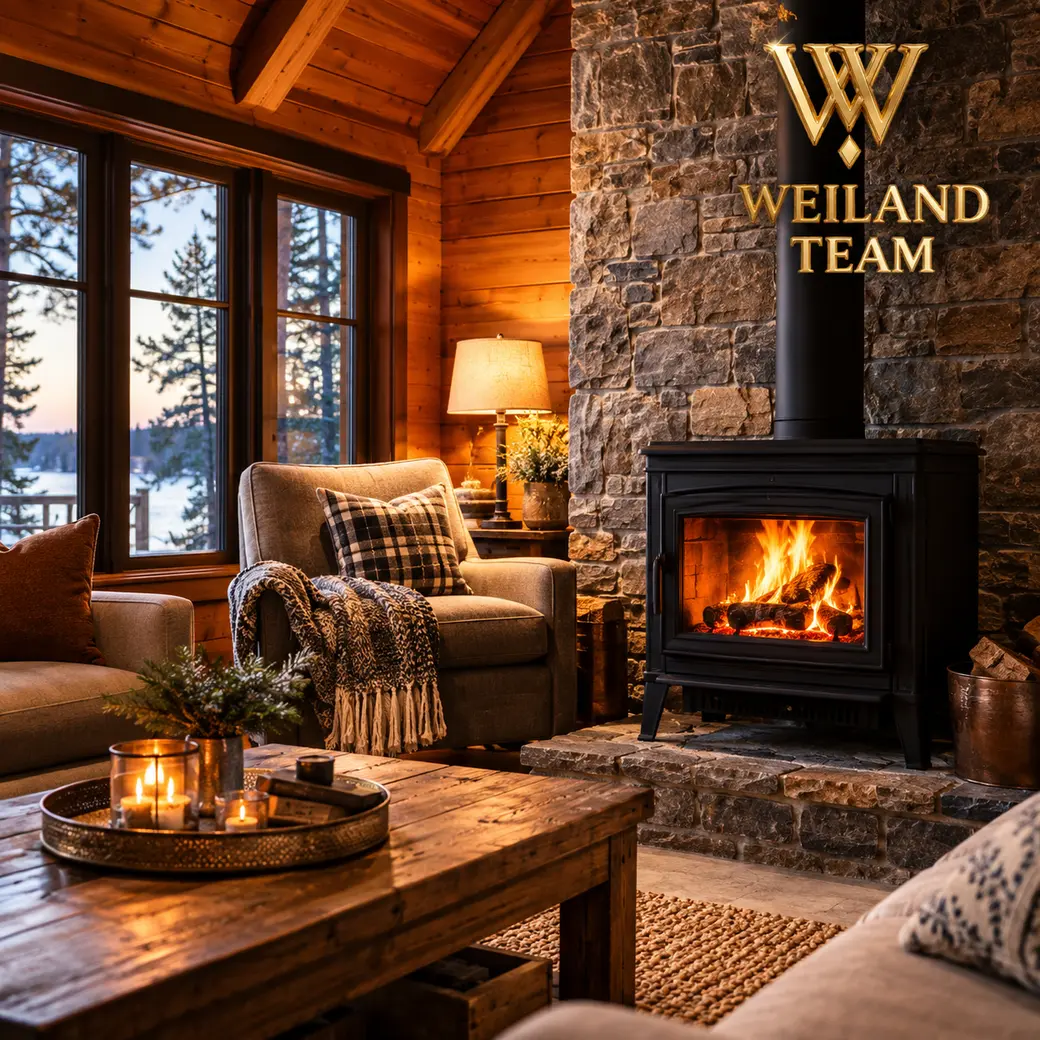
A crackling wood stove is part of the Muskoka cottage experience for many owners.
It provides warmth on cool autumn evenings, creates atmosphere during winter weekends and, in some cottages, serves as an important secondary heat source.
But if you are buying a Muskoka cottage with a wood stove, fireplace or other wood-burning appliance, there is an important question to ask before closing:
Will your insurance company insure it?
In many cases, the answer can be yes. But insurers may have specific requirements before they are prepared to provide coverage, and those requirements can vary from one insurance company to another.
A wood stove should therefore be part of your insurance due diligence when purchasing a cottage — not something you wait to investigate after closing.
Can a Muskoka Cottage With a Wood Stove Be Insured?
Yes, cottages with wood-burning appliances can often be insured.
However, an insurer may want additional information about the appliance, its installation, the chimney and how the cottage is used.
Depending on the insurer and the property, questions may include:
- What type of wood-burning appliance is installed?
- How old is it?
- Who installed it?
- Does it meet applicable installation requirements?
- Has it been professionally inspected?
- Is there documentation available?
- Is the chimney in appropriate condition?
- Is the stove the primary or secondary heat source?
- Is the cottage seasonal or occupied year-round?
The requirements are insurer-specific, which is why buyers should speak directly with their insurance professional about the particular cottage they are considering.
What Is a WETT Inspection?
One term Muskoka cottage buyers frequently hear is WETT.
WETT stands for Wood Energy Technology Transfer.
WETT Inc. is a Canadian non-profit training and education organization that administers professional training and certification for people working with wood-burning systems.
Learn more about WETT Inc. and wood-burning system professionals.
When people refer to a “WETT inspection,” they are generally referring to an inspection of a wood-burning system performed by someone with appropriate WETT certification.
Depending on the circumstances, an insurer may request documentation concerning the wood stove or fireplace before providing coverage.
Does Every Insurance Company Require a WETT Inspection?
Not necessarily.
Insurance companies establish their own underwriting requirements, and those requirements can differ.
One insurer may request an inspection or report while another may ask for different information about the appliance.
The age, type and condition of the stove, the cottage itself and the intended use of the property may all influence what an insurer requests.
Never assume that because the current owner has insurance, your insurer will automatically insure the property on identical terms.
The Seller's Insurance Does Not Automatically Transfer to the Buyer
This is an important distinction.
A seller may have insured the cottage for many years with the existing wood stove.
That does not guarantee that a new purchaser will receive the same coverage.
Insurance underwriting standards change, companies have different requirements and the buyer's proposed use of the cottage may differ from the seller's use.
This is why insurance should be investigated before a purchase becomes firm whenever there is a feature that could affect coverage.
Why Do Insurers Care About Wood Stoves?
Wood-burning appliances involve fire, high temperatures, combustion and chimneys.
Improper installation or maintenance can increase fire and carbon monoxide risks.
The Ontario government recommends that wood stoves, fireplaces and fireplace inserts be installed by a qualified technician according to the manufacturer's instructions. It also recommends having heating systems, vents and chimneys inspected and cleaned annually by a qualified service technician.
Review Ontario's official home and cottage fire-safety guidance.
For an insurer, the objective is to understand and assess that risk.
What Might an Inspection Look At?
The scope depends on the type of inspection being performed, but a wood-burning system evaluation may consider areas such as:
- The appliance itself
- Clearances from combustible materials
- Floor and wall protection
- Chimney and venting components
- Connections between the appliance and chimney
- Visible installation conditions
- Potential safety concerns
Buyers should not try to determine compliance themselves simply by looking at the stove.
A beautiful stone hearth or professionally finished room does not necessarily tell you what is happening behind walls or within the chimney system.
An Older Wood Stove Is Not Automatically a Problem
Muskoka has many older cottages, and naturally many contain older wood-burning appliances.
Age alone does not necessarily determine whether a stove can remain in use or be insured.
What matters is the specific appliance, installation, condition and the requirements of the buyer's insurer.
An older stove may be acceptable.
Another may require modifications.
In some situations, replacement may be the most practical option.
The key is finding out before you own the property.
Do Not Assume a Wood Stove Is Compliant Because It Has Been There for Decades
This follows one of the most important principles we use when evaluating older Muskoka properties:
Existing does not necessarily mean compliant with today's requirements.
A wood stove may have heated the cottage for 30 or 40 years.
That history does not by itself confirm:
- How it was originally installed
- Whether documentation exists
- Whether alterations have been made
- Whether the chimney remains in good condition
- Whether a new insurer will accept it
If the wood stove matters to you, investigate it.
The Chimney Matters Too
Buyers sometimes focus almost entirely on the stove itself.
The chimney and venting system are equally important.
Ontario's fire-safety guidance recommends having heating systems, vents and chimneys inspected and cleaned annually by a qualified service technician.
See Ontario's recommendations for heating and chimney safety.
Questions to consider include:
- When was the chimney last cleaned?
- When was it last inspected?
- Are maintenance records available?
- Have there been repairs?
- Is there evidence of deterioration or leakage?
Creosote Is an Important Maintenance Consideration
Burning wood can produce creosote deposits within a chimney.
Ontario recommends burning dry, well-seasoned wood to help reduce excessive creosote buildup.
Regular chimney inspection and cleaning are important components of responsible wood-stove ownership.
Smoke and Carbon Monoxide Alarms Matter
A cottage with a fuel-burning appliance requires particular attention to smoke and carbon monoxide alarms.
Ontario's cottage fire-safety guidance says cottages, cabins and seasonal homes must have working smoke alarms as required by law and advises installing carbon monoxide alarms when a cottage has a fuel-burning appliance.
Read Ontario's cottage fire-safety recommendations.
Ontario also expanded carbon monoxide alarm requirements for existing homes effective January 1, 2026, including homes and cottages with fuel-burning appliances such as wood stoves.
Buyers should confirm the current requirements applicable to the specific cottage.
Seasonal Versus Year-Round Use Can Matter
When arranging cottage insurance, the insurer may want to understand how the property will be used.
A cottage occupied primarily during summer weekends can present a different insurance profile from a property occupied throughout the winter.
The insurer may ask about:
- How frequently the cottage is occupied
- Whether it is left vacant for extended periods
- The primary heating system
- Whether the wood stove is supplementary heat
- Winter access
- Distance from fire services
- Whether someone checks the property when it is vacant
These factors can matter independently of the wood stove itself.
Is the Wood Stove the Primary Heat Source?
This is worth determining.
Some Muskoka cottages have conventional heating systems with a wood stove used primarily for atmosphere or supplementary heat.
Others rely much more heavily on wood.
An insurer may treat those situations differently.
Ask the seller what heating systems are installed and ask your insurer how the intended heating arrangement affects coverage.
What If the Wood Stove Does Not Meet the Insurer's Requirements?
Do not automatically assume that the cottage cannot be insured.
Depending on the issue, possible solutions might include:
- Repairing part of the installation
- Increasing protection around the appliance
- Correcting venting or chimney issues
- Professional chimney work
- Replacing an older appliance
- Removing a stove that is no longer required
The appropriate solution should be determined by qualified professionals and accepted by the insurer.
Do Not Remove a Wood Stove Without Thinking About the Heating System
Sometimes buyers assume that if insurance becomes difficult, they can simply remove the wood stove.
That may be possible, but first understand the cottage's overall heating system.
If the stove contributes substantially to heating the property, removing it may affect:
- Comfort
- Winter usability
- Energy costs
- Freeze protection
- The adequacy of the remaining heating system
Consider the cottage as a complete system rather than treating the stove in isolation.
What About Fireplaces?
Traditional masonry fireplaces, fireplace inserts and other wood-burning systems may also raise insurance questions.
The same principle applies:
Ask your insurer about the specific appliance or fireplace in the specific cottage.
Do not assume that an open fireplace is automatically treated the same way as a freestanding wood stove.
What About a Wood Stove in a Bunkie or Boathouse?
Additional wood-burning appliances in accessory buildings deserve particular attention.
If a bunkie, garage, workshop or other structure contains a stove, disclose it to the insurer.
Buyers should also determine whether the building itself and its use are permitted.
A stove in an accessory structure should never simply be overlooked because it is not located in the main cottage.
Insurance Should Be Investigated Before the Offer Becomes Firm
This is the most important practical advice in this article.
If you are purchasing a cottage with:
- A wood stove
- A fireplace
- Older electrical systems
- Unusual heating
- A private road
- Seasonal access
- Water access
- An older structure
contact your insurance professional early.
Provide the address and accurate information about the property and ask what documentation will be required.
If the insurer wants an inspection or additional information, you then have time to obtain it before closing.
Ask the Seller for Documentation
When purchasing a cottage with a wood-burning appliance, ask whether the seller has:
- Previous inspection reports
- Installation documentation
- Manufacturer information
- Chimney cleaning records
- Repair invoices
- Information about the installer
- Previous insurance-related documentation
Not every older cottage will have a complete file.
But whatever documentation exists may be useful to your inspector and insurer.
Should You Make Insurance a Condition of Your Offer?
Depending on the property and circumstances, buyers may wish to discuss an insurance condition with their real estate representative and lawyer.
This can be particularly important where there are features that may make insurance less straightforward.
The Real Estate Council of Ontario advises buyers to understand conditions and protections included in an offer and to consider professional advice when making purchasing decisions.
Review RECO's Ontario home-buyer checklist.
Insurance should never be treated as an afterthought simply because the seller currently has coverage.
Questions to Ask Before Buying a Muskoka Cottage With a Wood Stove
- What type of wood-burning appliance is installed?
- How old is it?
- Is installation documentation available?
- Has it been inspected?
- Is there a WETT-related report or documentation?
- When was the chimney last inspected?
- When was the chimney last cleaned?
- Is the stove the primary or secondary heat source?
- Has the seller experienced any insurance issues?
- Will my insurer require an inspection?
- Are repairs or upgrades required?
- Are appropriate smoke and carbon monoxide alarms installed?
Frequently Asked Questions About Muskoka Cottage Wood Stoves and Insurance
Can you insure a Muskoka cottage with a wood stove?
Often, yes. However, insurance companies have different underwriting requirements and may request information or an inspection concerning the wood-burning appliance, chimney and installation before agreeing to provide coverage.
Do I need a WETT inspection to insure a cottage with a wood stove?
It depends on the insurer. Some insurance companies may request an inspection or documentation relating to the wood-burning system, while requirements can differ between insurers and properties. Buyers should ask their insurance professional what is required for the specific cottage.
What is a WETT inspection?
The term commonly refers to an inspection of a wood-burning system performed by an appropriately WETT-certified professional. WETT Inc. administers professional training and certification related to wood-energy systems in Canada.
Can an old wood stove still be insured?
Possibly. Age alone does not determine insurability. The appliance, installation, chimney, condition and the insurer's underwriting requirements may all be considered.
Does the seller's existing cottage insurance mean I will be able to insure the wood stove?
No. The seller's insurance policy does not guarantee that a buyer's insurer will provide identical coverage. Buyers should arrange their own insurance approval before closing.
Can I replace the wood stove if it does not meet insurance requirements?
Replacement may be one solution, depending on the circumstances. Buyers should consult qualified professionals and their insurer before deciding what modifications or replacement may be required.
Do cottages with wood stoves need carbon monoxide alarms?
Wood is a fuel-burning source, and Ontario has carbon monoxide alarm requirements affecting homes and cottages with fuel-burning appliances. Buyers should ensure the property complies with current Ontario requirements and confirm placement requirements with the appropriate authority.
Should I arrange cottage insurance before my purchase becomes firm?
It is wise to investigate insurance early, particularly when a cottage has a wood stove, fireplace, older systems, private access or other features that could affect underwriting. This gives buyers time to identify any insurer requirements before closing.
A Wood Stove Can Still Be Part of the Muskoka Dream
There is something undeniably special about coming inside after a cool day on the lake and sitting beside a warm wood fire.
A wood stove does not have to be a reason to avoid an otherwise wonderful Muskoka cottage.
It is simply another part of the property that deserves proper due diligence.
Understand the appliance.
Understand the installation.
Have the appropriate professionals evaluate it when necessary.
And most importantly, confirm the requirements with your own insurer before you purchase.
When we help buyers evaluate Muskoka cottages, we look beyond the beautiful lake view to the practical details that can affect ownership — including heating systems, septic systems, waterfront structures, access, permits and insurance considerations.
Dee Dee Weiland brings an interior design and staging background, while Mark Weiland brings extensive business and negotiation experience. Together, the Weiland Team combines local Muskoka knowledge with the global reach of eXp Realty.
Because understanding the details before you buy can help you enjoy the cottage long after the paperwork is finished.
Your Muskoka Dream Starts With The Weiland Team.
Weiland Team | eXp Realty
Luxury Muskoka Real Estate
Serving Muskoka, Lake of Bays, Huntsville, Bracebridge, Gravenhurst, Muskoka Lakes and surrounding cottage country.
Categories
Recent Posts